



Blog
Audio, design and flow mirror the rhythm of casino play


Audio, Design and Flow Mirror the Rhythm of Casino Play
Casinos, both physical and online, thrive on rhythm. The kind that isn’t written in musical notes but experienced in motion, sound, and anticipation. From the hum of a slot machine to the delicate jingles that celebrate even the smallest win, every element reinforces a kind of pulse. The audio, design, and flow of a modern casino platform are orchestrated to mirror the tempo of excitement itself. When I first explored the tower x game download experience, I noticed how even the loading screen carried a rhythm, a hint to the pacing that would follow. It’s all intentional, though it never feels forced.
This sense of continuous rhythm is an invisible thread connecting player engagement, excitement, and return visits. The design of an online casino isn’t just about bright visuals; it’s about timing, structure, and how every interaction fits into the player’s psychological expectation of “next.”
Player Emotions and Sensorial Design

Many developers don’t just build games, they choreograph emotions. Think about it: the sounds that softly play when you open the lobby create a sense of curiosity; the small ping after a bet confirms action. It’s subtle and immensely human. If the sound patterns are off, the mood shifts. Too repetitive, and players disengage. Too chaotic, and it’s tiring. Striking balance is an art form disguised as technical design.
In shaping emotional flow, designers employ what psychologists might call “sensory anchors.” Each familiar sound or animation pattern trains the user’s brain to anticipate a specific outcome. That’s why winning, even small, feels so good—it’s an audio-driven confirmation that syncs with the natural rhythm of play.
Visual Momentum in Casino Interfaces
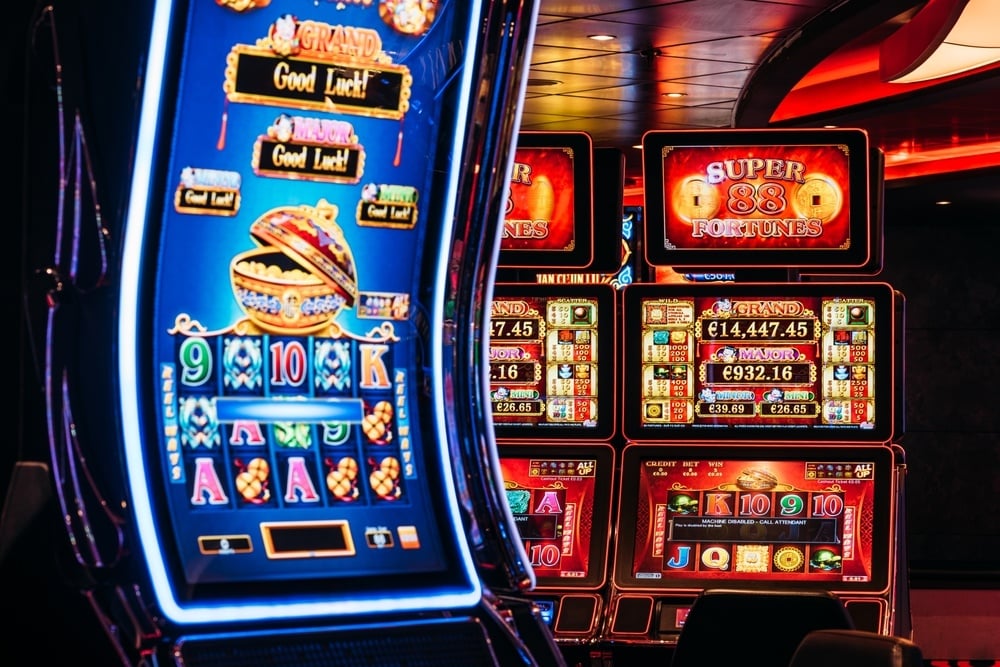
User interfaces in online casinos follow similar rhythmic principles. It might not be obvious at first glance, but think of a slot game’s spin animation—it doesn’t just stop abruptly. It slows down, echoes with sound, and gives the brain a few milliseconds to anticipate. This anticipation creates pleasure. Designers know that rhythm isn’t only about what you hear, but also what you see and expect next.
- Animated transitions slow or accelerate following emotional cues.
- Color contrasts guide the eyes, leading attention almost like a melody guides a listener through a song.
Even the timing of pop-ups offering bonuses or reminding users of free spins follows this pulse. The whole ecosystem seems alive, moving at a breathable pace rather than a mechanical one.
Rhythm in Interaction Patterns
Beyond visuals and sound, there’s the player’s interaction flow—the tempo of clicks, decisions, and short pauses between bets. Modern gambling platforms track these micro-moments and adapt interfaces accordingly. Too much waiting feels frustrating, too little feels overwhelming. Achieving harmony between response time and user control resembles composing a musical tempo that fits every player’s unique rhythm.
- Registration: Smooth and predictable steps avoid cognitive interruption.
- Bonuses: Revealed sequentially with pacing that promotes curiosity and reward anticipation.
- Gameplay: Consistent beat between input and feedback.
- Payments: Rounded endings to a rhythmic cycle of engagement, satisfaction, and closure.
It might sound abstract, but players sense this. Just as a musician “feels” timing rather than counting it, frequent casino players intuitively respond to the platform’s rhythm.
Infobox: Subtle Engineering of Delight
The design rhythm doesn’t replace fairness or chance; it reinforces the human side of gaming. Each pause or pulse subtly reminds players that luck is unpredictable, yet engaging to pursue.
The Measurable Impact of Rhythmic Design
To better understand how rhythm and flow affect engagement, consider two data samples comparing rhythmic design implementation versus a static interface model:
| Metric | Static Design | Rhythmic Design |
|---|---|---|
| Session Duration | 12.4 minutes | 18.7 minutes |
| Return Rate | 42% | 63% |
| User Satisfaction (Survey) | 7.1 / 10 | 9.0 / 10 |
Even minor enhancements to rhythm, like synchronized animation speed or subtle background loops, contribute to measurable increases in engagement. These results emphasize that casino ecosystems are not random—they are designed environments built upon the science of perception and timing.
- Sound cues direct focus and maintain engagement.
- Visual rhythm controls fatigue and enhances immersion.
- Micro-interactions reshape player flow, easing transitions between actions.
It all loops back to something almost poetic: every casino, whether in Vegas or virtual space, beats like a heart when designed right.
| Design Element | Effect on Player | Emotional Outcome |
|---|---|---|
| Audio Loops | Harmonize anticipation | Excitement |
| Visual Timing | Smooth action-reaction | Trust |
| Navigation Rhythm | Predictable flow | Comfort |
FAQ
Q: Do casino designers intentionally create rhythmic experiences?
A: Absolutely. Every animation, sound, and transition is tested to evoke emotion and sustain user engagement.
Q: Can rhythm influence betting behavior?
A: To a degree yes. It influences comfort and perceived flow, making gaming smoother rather than rushed.
Q: Is this manipulation or design ethics?
A: It’s more design psychology than manipulation. Ideally, it enhances enjoyment rather than creates compulsion.
Conclusion
The rhythm of casino play isn’t accidental. Whether through audio cues, micro-interactions, or well-paced animations, casinos modern and digital use rhythm as a form of conversation with players. Every pulse, flash, and pause builds a kind of dialogue. It’s what makes the virtual chips feel vivid, the reels more alive, and the user more immersed. I suppose in the end, rhythm is what turns gambling from an isolated activity into an experience—a cycle of interaction where design and emotion meet seamlessly.
Reviews
User: Lauren M.
“I never realized how much the background sounds affected my focus until I compared two different casinos. The flowing audio in rhythmic design makes the whole game feel calm yet exciting.”
User: Daniel P.
“The pacing of spins feels different now that I notice it. You can feel the rhythm even in how the payouts reveal themselves. Definitely more engaging.”
User: Sofia K.
“As someone who works in UX design, seeing how timing in online casinos impacts emotions is fascinating. It’s clever engineering wrapped in fun.”
